Your smile is you
Let it shine
with confidence.
Clear aligner treatment, tailored to your lifestyle


Three exceptional approaches
for accessible care

Accessible Care
Our clinic is committed to providing accessible orthodontic care, including clear aligners, without compromising on the quality of materials, treatment planning, and professional follow-up.

Multiple locations
Our network of clinics is strategically located to maximize accessibility, with services provided by an orthodontist in Montreal and an orthodontist in St-Hubert to meet the needs of patients in the greater metropolitan area.

Optimized Visits
Our cutting-edge digital orthodontic technology reduces the number of clinic appointments and optimizes treatment monitoring, while eliminating non-essential visits.



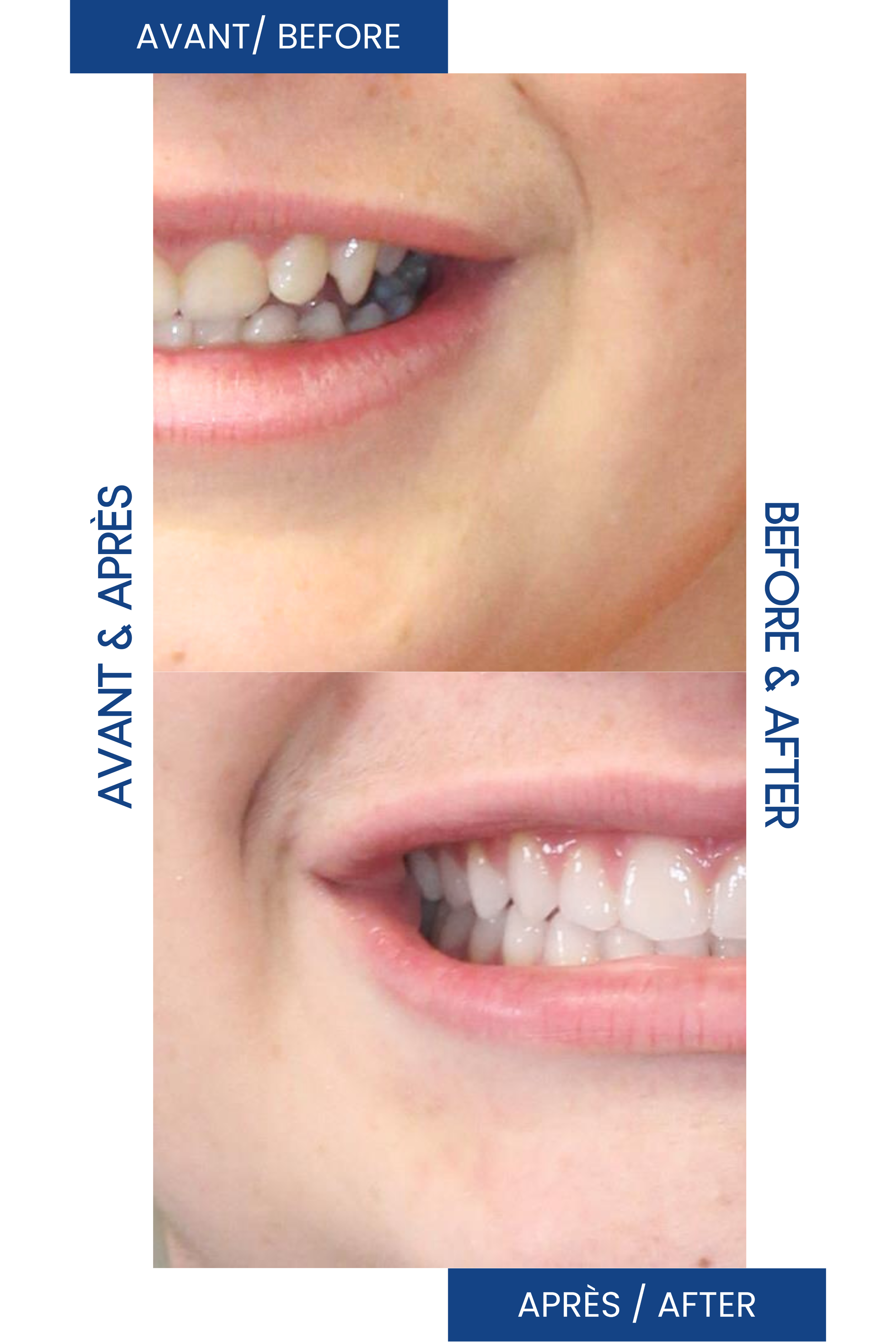
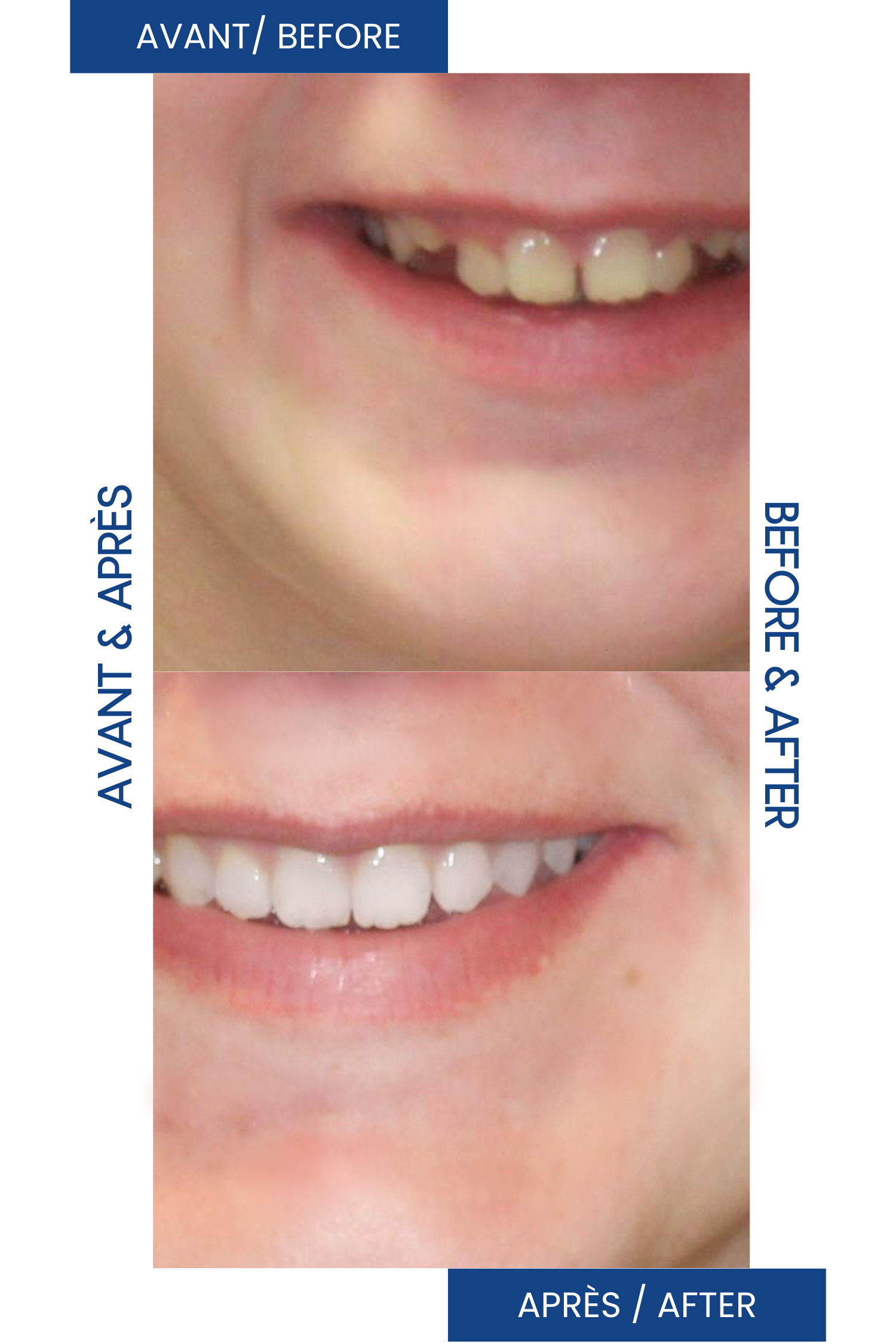
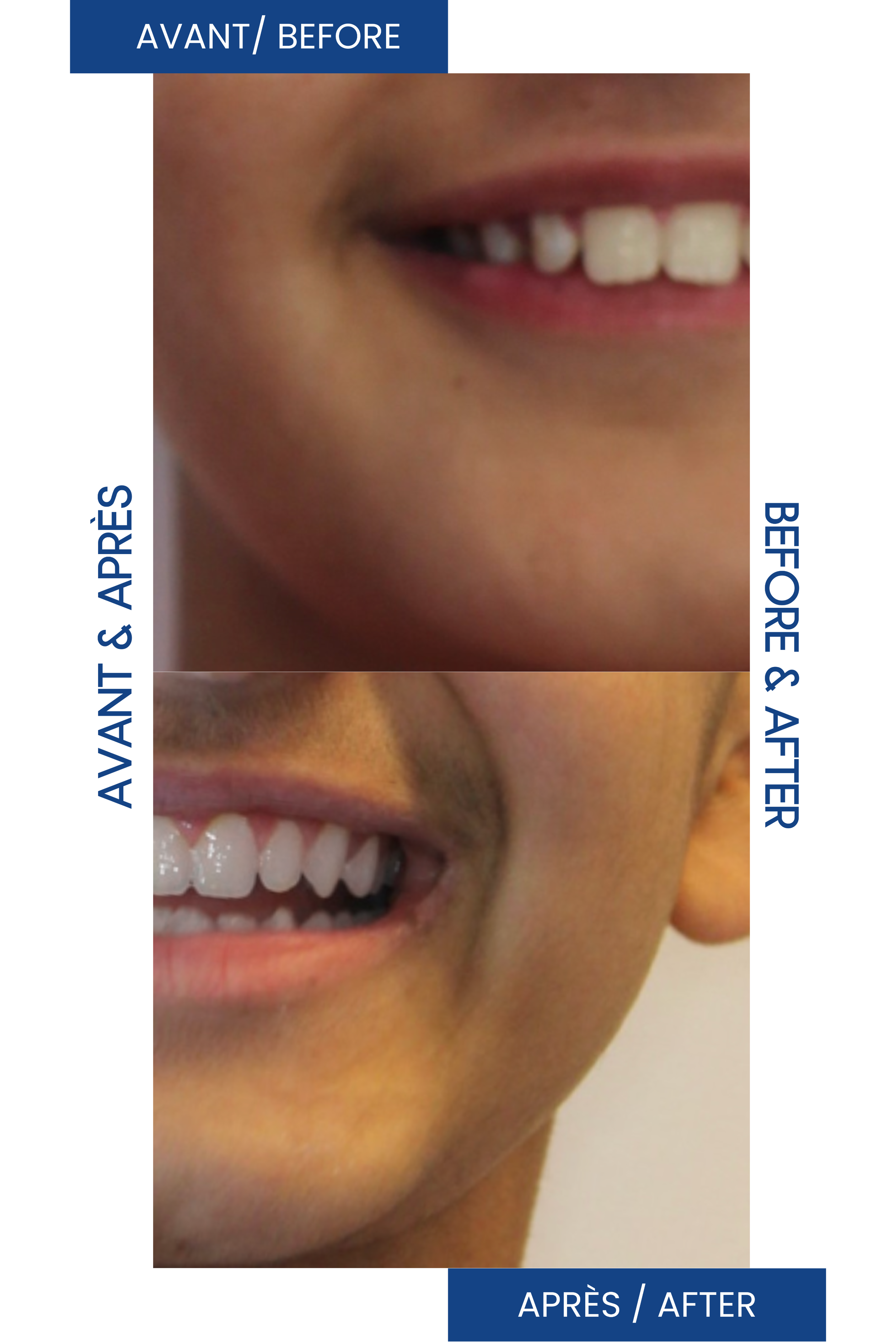
Real results, real patients





3 Simple Steps to to transform your smile
Schedule Your Initial Appointment
Get started by clicking on "consultation" or contact us directly by phone or text.
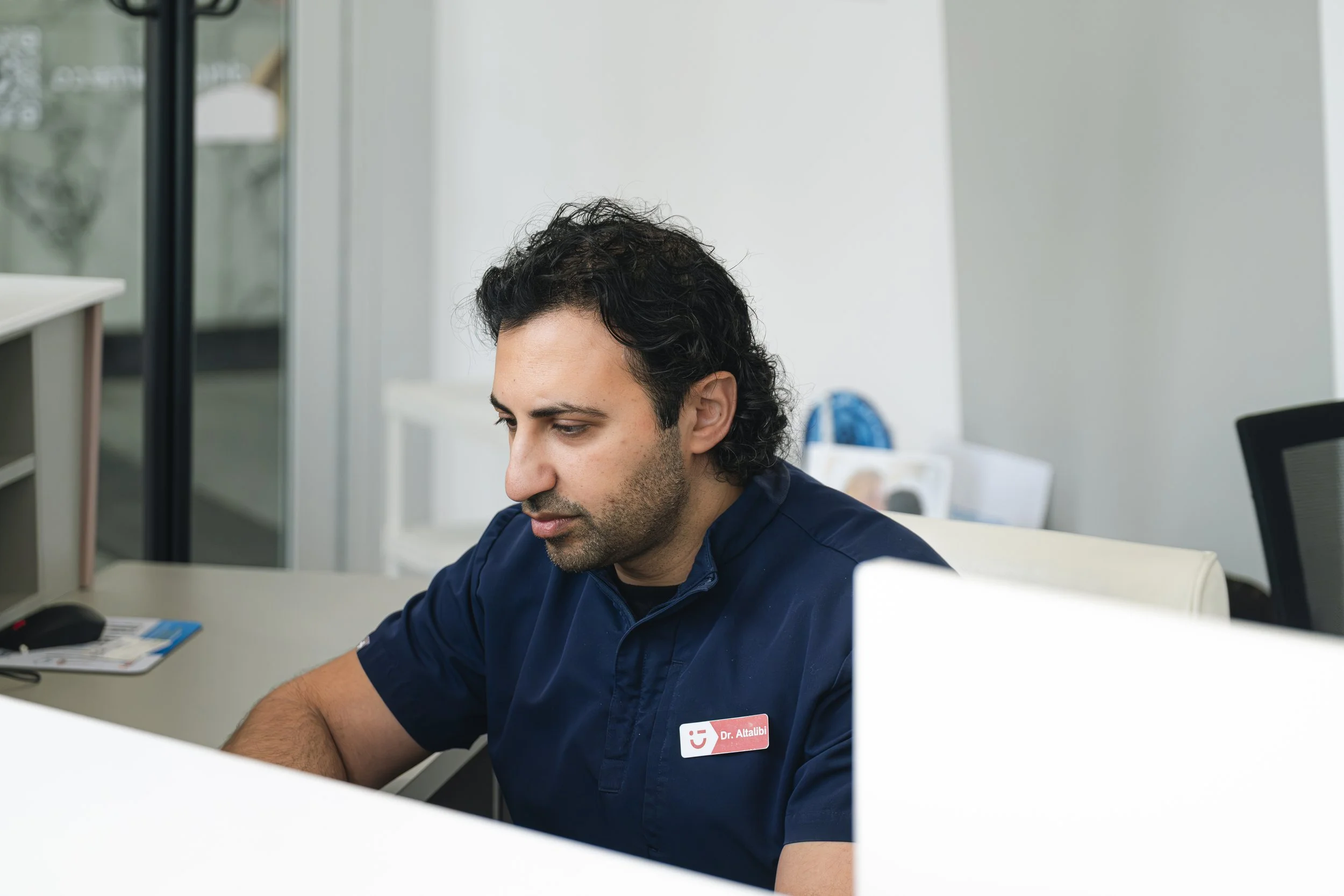

Get your personalized treatment plan
Receive 3D scans and meet with our team to create your personalized treatment plan.


Experience Transformative Continuous-care™
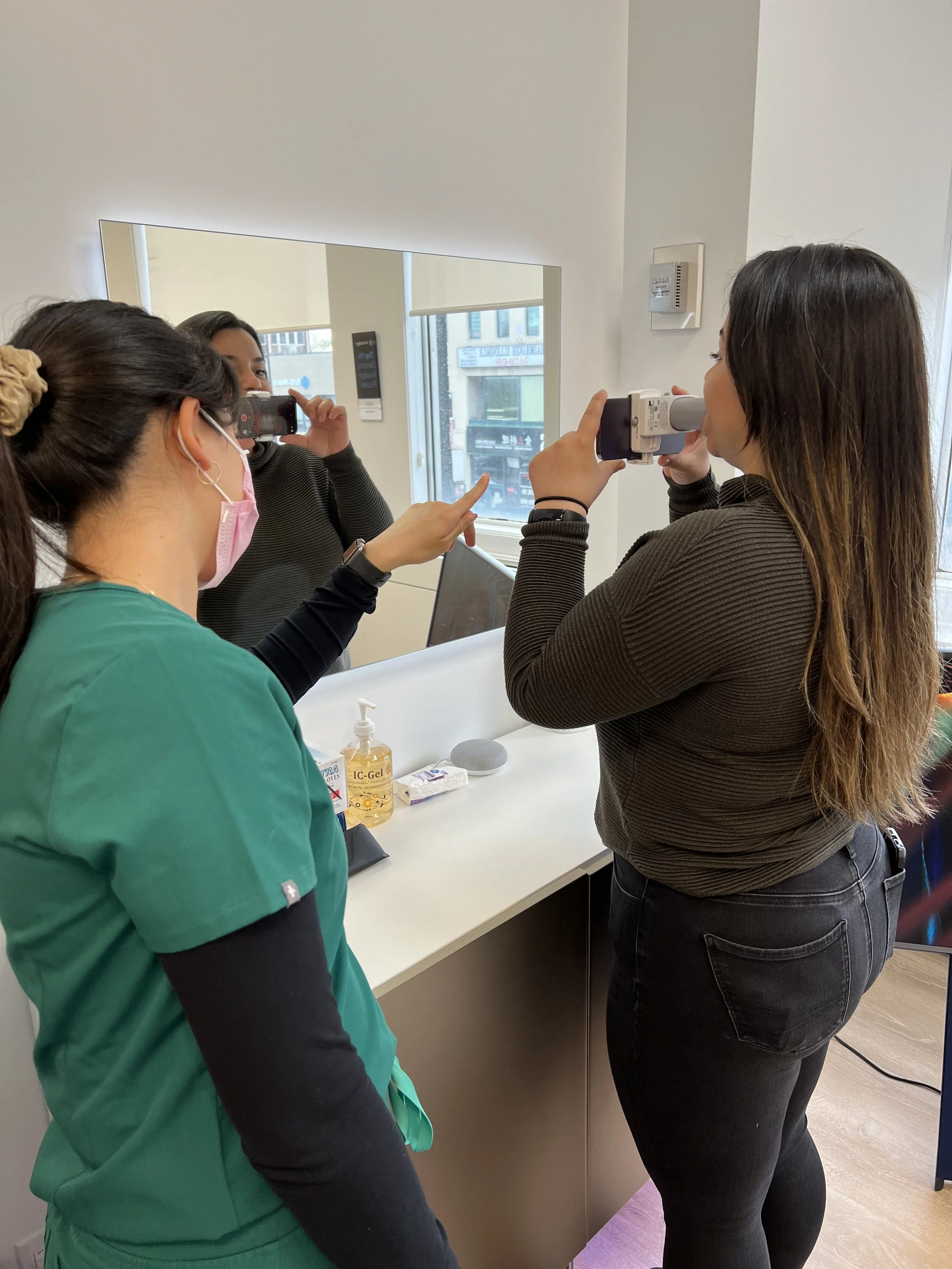
Optimize your follow ups with our Scanbox, reduce the frequency of in-person appointments to your specific needs.
Find out what makes us different!
Click on each feature to see what they have to say about us.



Complete Orthodontic Care
Myofunctional Therapy
Improve facial & oral muscle function in kids and adults to enhance vital functions and lessen the need for complex or surgical treatments.

ClearCorrect®
Custom-designed using advanced digital technology, ClearCorrect® clear aligners are an effective alternative to traditional braces.
This invisible orthodontic treatment gradually corrects tooth alignment while offering comfort, discretion, and flexibility, without the constraints of metal braces.

Invisalign®
Want a perfectly aligned smile without the hassle of metal braces? Our orthodontic clinic offers invisible orthodontic treatments using clear aligners, including Invisalign®.
These custom-made orthodontic devices gradually align teeth in a discreet and comfortable manner, while adapting to the daily lives of adults and adolescents.

Meet Our Doctors
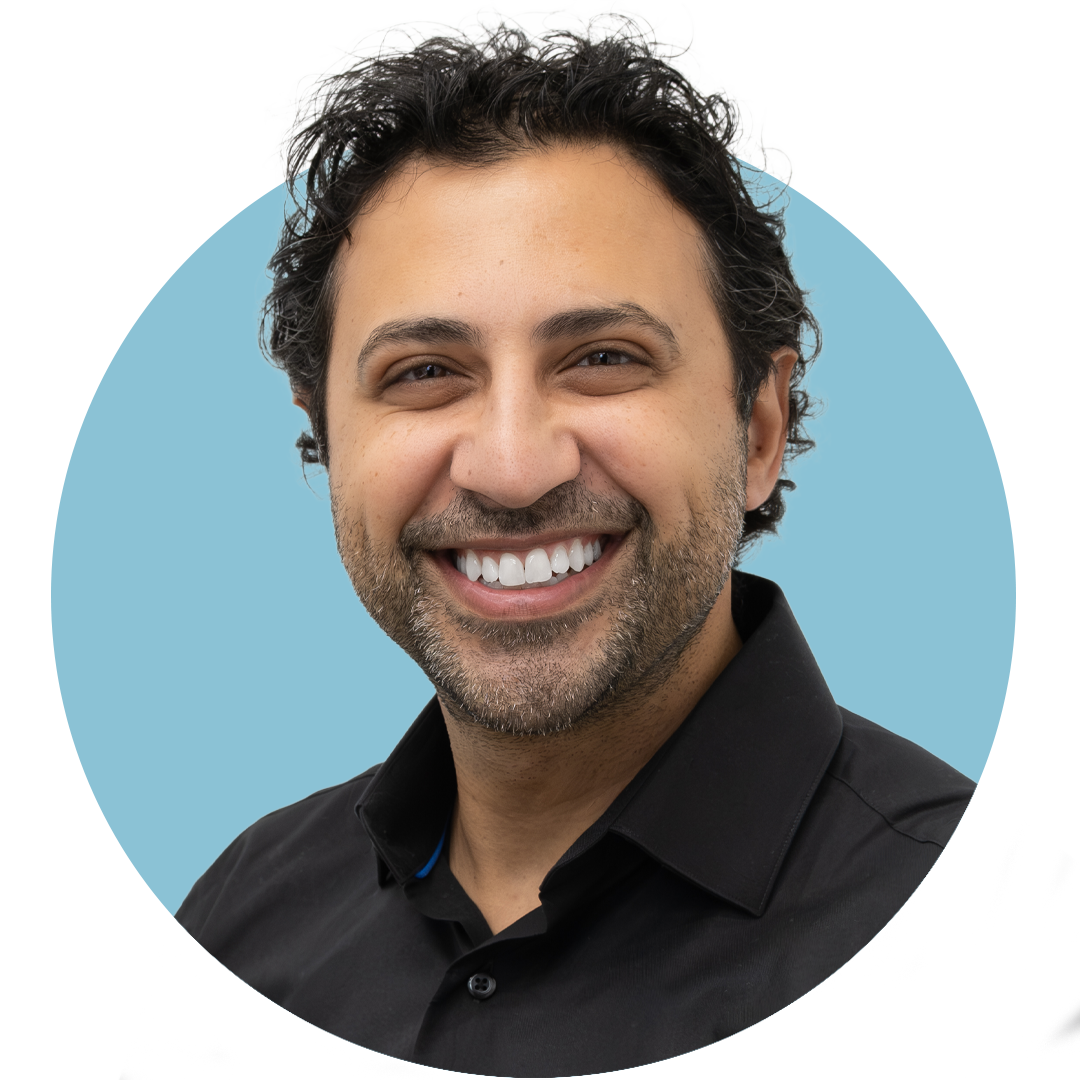
Dr. Mostafa Altalibi
Co-founder & Head Orthodontist DMD DMD, MSc, D.Ortho, FRCD(C)
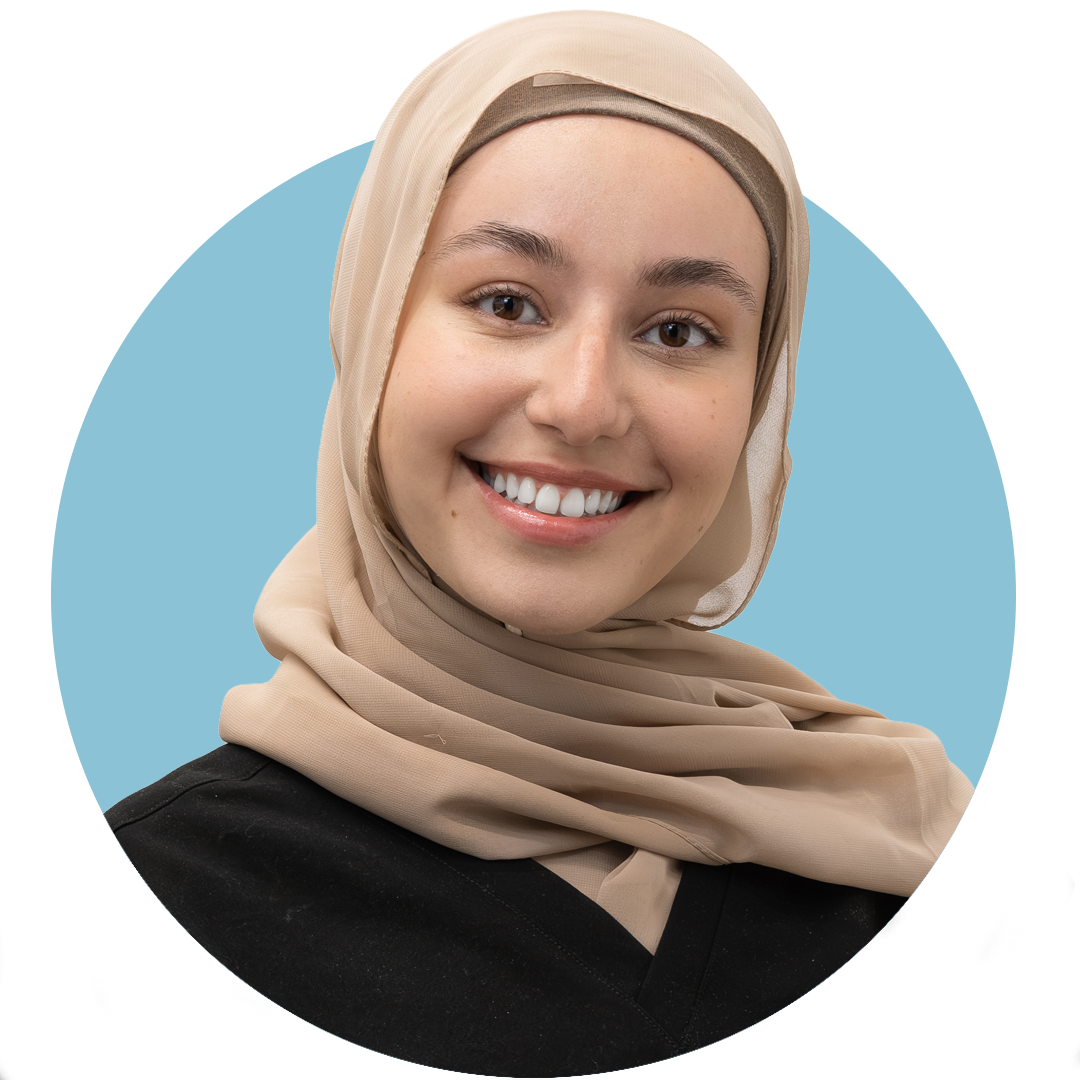
Dr. Zahra Turki
Dentist DDS

Dr. Safae Begdouri
DDS Dentist
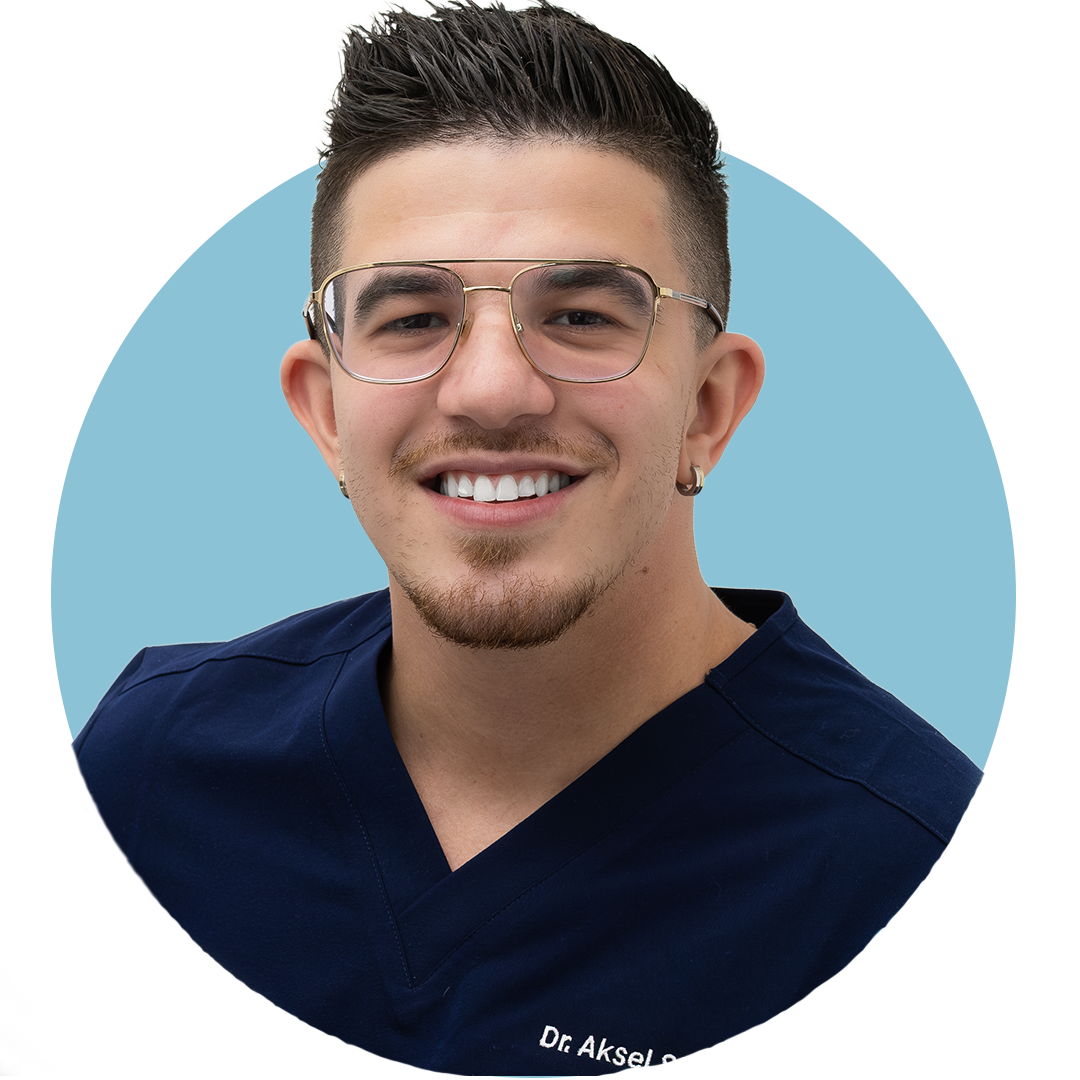
Dr. Aksel Slifi
Dentist DDS
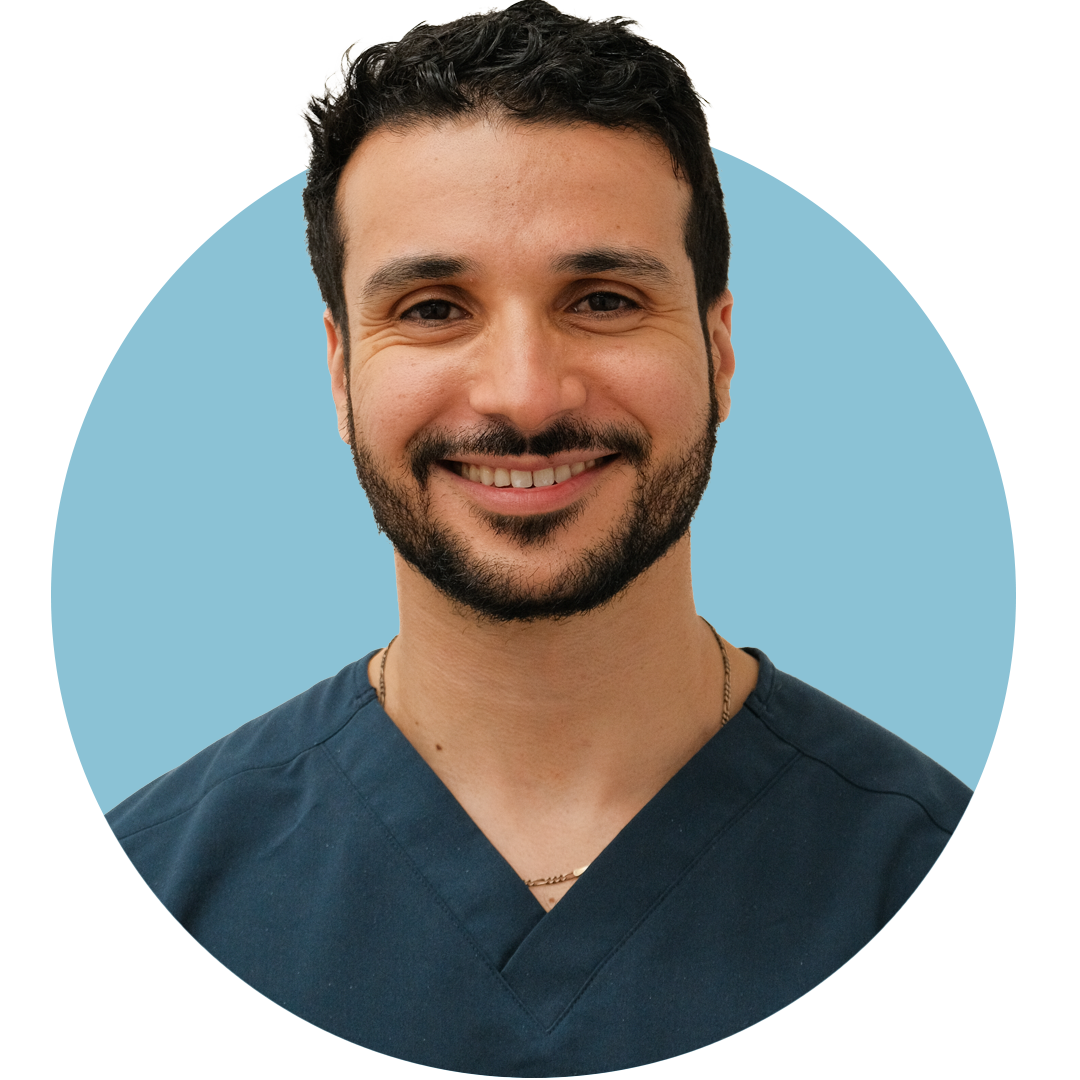
Dr. Younes Bouzid
Orthodontist, DMD, MSc, FRCDC
FAQ
-
An orthodontist is a dental specialist who has completed an additional 2-3 years of university training. They diagnose, prevent, and correct abnormalities in the position of teeth and bones that can cause malocclusions (misaligned teeth), or deviations in tooth contact, for functional and aesthetic purposes. They specialize in fixed corrective devices, commonly known as "braces," and removable corrective devices. An orthodontist is a dental specialist who has completed an additional 2-3 years of university training. They diagnose, prevent, and correct abnormalities in the position of teeth and bones that can cause malocclusions (misaligned teeth), i.e., deviations in tooth contact, for functional and aesthetic purposes. They specialize in fixed corrective devices, commonly known as "braces," and removable corrective devices.
-
The Canadian Association of Orthodontists recommends an initial orthodontic evaluation around the age of 8. At this age, the permanent incisors and first adult molars have usually appeared. Even if several primary teeth are still present, the orthodontist is able to evaluate malocclusion (misalignment of the teeth). At this stage, it may be recommended to begin interceptive treatment or to observe and reevaluate at a later date. Careful monitoring of growth and dentofacial development will allow us to anticipate when it will be most beneficial to intervene.
-
The process of tooth movement is the same in adults as it is in children and adolescents. Orthodontic treatment can usually be successfully undertaken at any age. The health of the teeth, gums, and supporting bone determines the possibilities for improvement and correction.
-
The duration varies depending on the type of treatment required and must be assessed on a case-by-case basis. Certain factors will influence the time required:
Severity of the problem
Growth
Collaboration
Orthodontic treatment generally takes between 9 and 36 months. During your consultation, we will be able to assess the duration of your treatment.
-
Item descriptionIf you notice one or more of the following occlusion problems, it is best to consult an orthodontist.
Early or late tooth loss
Crooked, overlapping, or overly spaced teeth
Difficulty chewing or biting
Frequent injuries to the cheeks or palate caused by teeth
Protruding teeth
Asymmetrical face
Receding or protruding jaw
-
Yes! Maintaining a healthy mouth is extremely important. We work as a team with your dentist! Regular checkups and cleanings by your dentist are essential.
-
The interval between appointments is determined by Dr. Altalibi to ensure optimal treatment progress. We use high-precision appliances and state-of-the-art wires designed to apply constant, long-term pressure. Generally, adjustment visits are scheduled every 6 to 12 weeks. We always try to accommodate your schedule.
-
Orthodontic movements usually cause a period of temporary discomfort. This is normal and short-lived. A new appliance or certain procedures may make your teeth sensitive for a few days. You can choose to eat softer foods and use a pain reliever such as ibuprofen or acetaminophen (Advil or Tylenol). Many patients experience very little discomfort. Remember, it doesn't have to hurt for your teeth to move!
-
The Transforme Clinic, located in Montreal and St. Hubert, specializes in clear aligner treatments for adults and teenagers. Unlike general dental clinics, we focus all our expertise on invisible technologies such as Invisalign and ClearCorrect
Check Us Out On Social Media!